African Critical Elements acquires Lepidico Canada, Namibian lithium asset
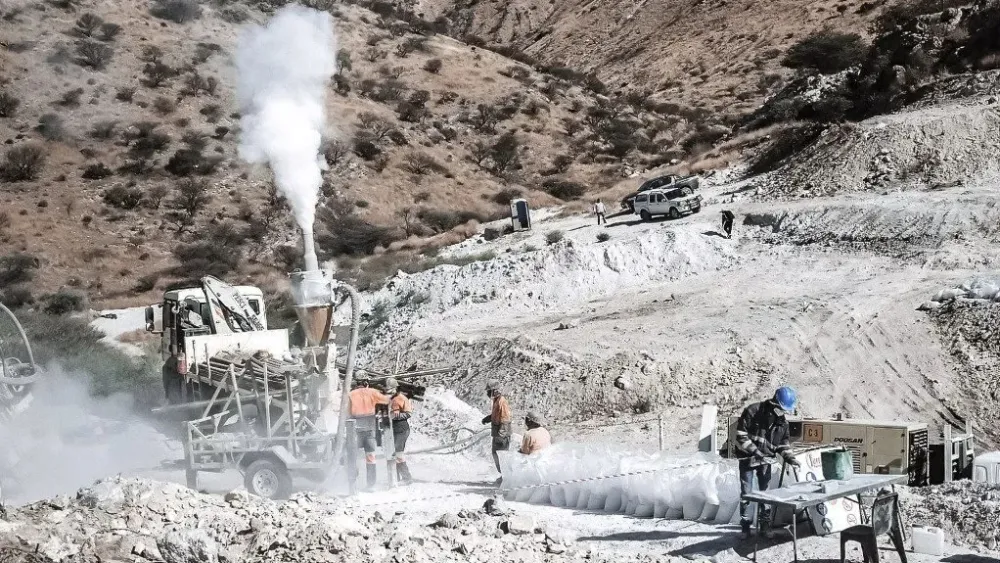
Mining exploration company African Critical Elements (ACE) has completed the full acquisition of mineral developer Lepidico Canada, obtaining 100% of the equity in the company and 100% of Lepidico Canada’s secured debts from its existing lender.
This acquisition includes an 80% interest in the Karibib lithium, rubidium and caesium project in Namibia.
ACE notes that Karibib reached the definitive feasibility study (DFS) stage in 2020, producing a positive net present value (NPV) of $221-million, based on a lithium hydroxide price of $13677/t.
“This acquisition is ACE’s first transaction but a very significant one.
“Through this single transaction to acquire Lepidico's upstream exploration and development arm, we have acquired a lithium, rubidium and caesium asset in Namibia that reached the DFS stage under Joint Ore Reserves Committee (Jorc) in 2020 and announced a substantially upgraded mineral resource estimate in January 2023,” says ACE chairperson John Wisbey.
The 2020 DFS reported Jorc-compliant ore reserves of 11.85-million tonnes at the Karibib project, with measured and indicated resources containing 46733 t of lithium oxide, 22822 t of rubidium oxide and 3076 t of caesium oxide.
This acquisition offers potential upside from a recovery in lithium prices. Despite weakening over the past five months, the lithium carbonate price has increased by about 83% from its June 2025 low.
The company also holds a historical mined stockpile of about 400000 t included in its mineral resources and a stockpile of 24000 t of beneficiated lepidolite concentrate, grading an estimated average of 1.38% lithium oxide.
ACE adds that rubidium and caesium are typically used in bulk chemicals manufacturing, atomic clocks, speciality glass, solar panels, electronics and oil and gas completion fluids.
Wisbey says the project has the potential to deliver positive socioeconomic outcomes in Namibia.
“ACE will bring new jobs to Namibia by reviving and re-energising the historic and promising project at Karibib, which is also expected to generate tax revenues for Namibia from exports and employment and, in time, profits,” he concludes.