
BHP electrical workers vote ‘yes’ to strike at key Australian iron-ore export hub
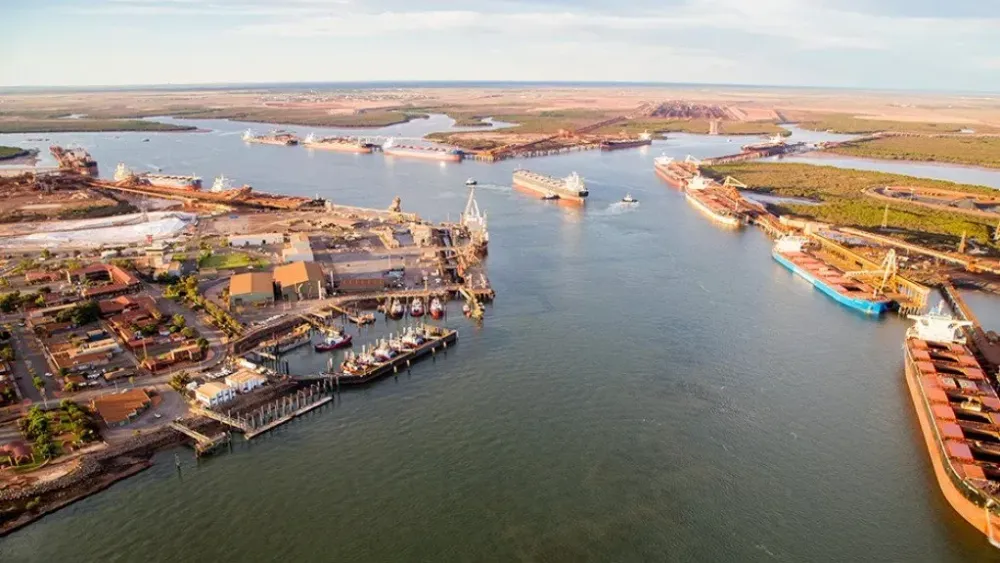
Hundreds of iron-ore miner BHP’s electrical workers at Port Hedland, in Western Australia, have voted in favour of taking strike action, a union said on Thursday.
The Electrical Trades Union said 100% of its members in the region endorsed work stoppages, ranging from 30 minutes to 24 hours.
This raises the risk of disruptions to iron-ore shipments from one of the world’s biggest export hubs.
The Electrical Trades Union (ETU) told Reuters in May it started the process for its members to authorise a strike, which would very likely take place at the end of June if a pay deal was not reached.
The prospect of a strike comes after six months of stalled talks with BHP, the world's biggest listed miner, to agree on a labour agreement, with workers seeking improved pay and conditions.
"Our members haven't taken this lightly," Adam Woodage, the union's State secretary, said at a press conference in Perth in May.
"BHP have stalled negotiations for up to six months. There's been little movement from the company, and what movement has come has been an insult to our members."
A strike would have a "significant impact on operations" and could bring the export hub to a halt, Woodage added.
A BHP spokesperson said at the time of Reuters’ reporting in May that the company was negotiating a new agreement with its port operations teams.
"In the event of union disruptions at our sites, we have strong contingency plans in place to protect our people and ensure safe, reliable operations can continue," the spokesperson added.
Port Hedland is one of the largest iron-ore loading ports in the world and the largest in Australia. It is linked to a number of BHP's mines in the Pilbara region and is used for all of its iron-ore exports in Western Australia.
BHP's labour agreement covers around 450 port workers, of whom about 200 are ETU members.
"BHP had a A$15-billion ($10.73-billion) profit (last year) ... so there's plenty of money in the bank for BHP to share with their workers, and our members are seeking a slice of that money,” ETU said.