Canada's only copper smelter allowed leeway with air emission reductions, Glencore confirms
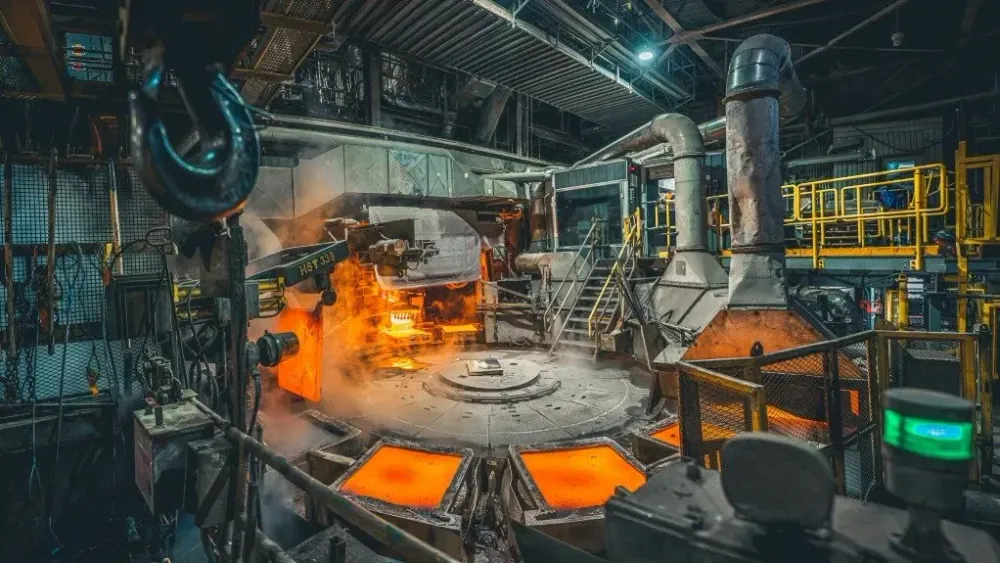
Copper producer Glencore Canada has welcomed the Québec government's passage of Bill 11, which establishes a stable regulatory framework for the Horne Smelter operations through to 2033.
This regulatory stability enables the company to progressively resume its air emissions reduction projects.
The law provides Glencore Canada with more time to comply with strict emissions standards.
In particular, Bill 11 extends the deadline for reducing ambient air arsenic emissions at Horne to 15 nanograms per cubic metre until 2029/30, which is a two-year delay, and maintains it at that level until at least 2033.
Glencore Canada put $300-million worth of planned environmental investments on hold earlier this year pending clarification on its air emission allowances and a clear operating framework. At the time, uncertainty surrounding future emissions requirements and permit conditions made it impossible for the company to proceed with projects, even those critical to the smelter’s future.
The air emissions reduction projects, once complete, will cement the Horne Smelter's position among the highest-performing copper smelters in the world - in terms of environmental performance.
Glencore custom metallurgical assets COO Marc Bédard says Canada's only copper smelting capacity has never mattered more, amid intensifying global competition, rising tariffs and ongoing supply chain disruptions, with the plant contributing to economic resilience and national sovereignty.
"Governments worldwide have recognised the strategic importance of domestic refining in the critical minerals value chain. Many jurisdictions have introduced targeted measures to support modernisation and ensure long-term competitiveness.
"Canada has identified critical minerals and secure supply chains as strategic priorities, but federal support has yet to match that ambition. While programmes to support key industrial assets exist, the pace of implementation has not caught up to the urgency on the ground," Bédard states.
Glencore Canada is calling on the federal government to match provincial efforts with timely and concrete support through the Strategic Response Fund. "The federal government's support is essential to secure the economic viability of the smelter and the substantial investments to ensure the modernisation and competitiveness of the Horne Smelter and Glenore Canada's complementary Canadian Copper Refinery operation.
"The regulatory certainty provided by the government of Québec, along with its existing targeted programmes, speaks to how much the province values the copper sector. What remains is decisive federal action to solidify Canada's commitment. Government of Canada support is critical to unlocking future capital investment that will ensure the future of Canada's last copper smelter and refinery," Bédard says.
He concludes that the Horne Smelter has demonstrated that it consistently delivers on its commitments to its workers and its environmental targets. With the right federal partnership, Canada could have a midstream anchor worthy of its critical minerals ambition.
According to a 2026 KPMG socioeconomic study, Glencore's Canadian copper operations supported more than 2 330 direct, indirect and induced jobs in 2024, and contributed $1.2-billion in direct GDP.