
Chile's Codelco pauses El Teniente mine expansion over new signs of seismic risk
SANTIAGO - Chile's State-run copper miner Codelco has paused one of its expansion projects at its flagship El Teniente mine a year after a deadly collapse, saying recent studies show greater seismic risk than initially thought.
An accident on July 31, 2025, killed six workers and forced Codelco to halt production throughout various sections of El Teniente, the world's biggest underground copper mine, just as it was grappling with lifting production from quarter-century lows.
Codelco said it opted to put expansion works within the Andes Norte section of the mine on hold to ensure worker safety, citing analyses over the past six months that point to seismic risks related to the depth of the deposit, different from those that had been previously identified and monitored.
"The available evidence is consistent with the possible existence of an emerging risk associated with the greater depth of the Andes Norte project," Codelco said in a statement, adding that it would continue to study the issue.
"These analyses have identified the existence of an emerging seismic phenomenon with characteristics different from the risks that have historically been known and managed in the operation," it said.
Andes Norte sits near the Andesita and Teniente 7 sections that were most affected by the collapse, which packed an impact equivalent to a 4.2-magnitude earthquake. Codelco faces criminal, regulatory and technical investigations and is still investigating the precise cause of the disaster.
Mining companies worldwide are increasingly turning to very deep underground operations in an attempt to boost output, in some cases compensating for aging, depleted mines.
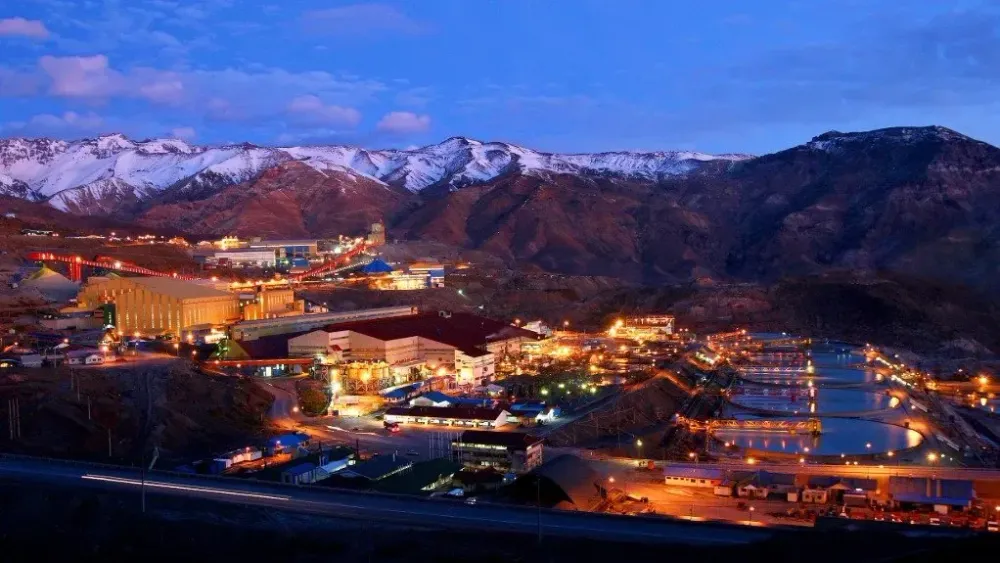
El Teniente, which is more than a century old, spans more than 4500 kilometers (2800 miles) of tunnels and underground galleries in the Andes mountains. It sits about 75 km (47 miles) southeast of Chile's capital Santiago.