Freeport bets on chemical solution to reach copper leaching target
LONDON - Freeport-McMoRan is betting a new chemical compound can help it reach an ambitious target of extracting 800-million pounds of copper from waste rock each year and expand production beyond traditional mines to meet surging global demand.
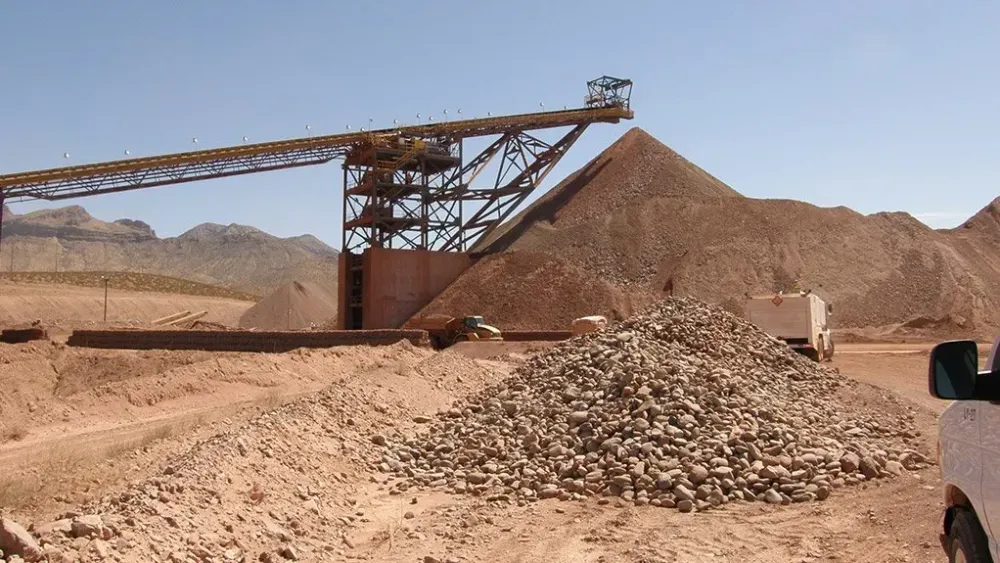
Working with a fleet of chemists, the world's largest publicly traded copper producer has spent the past three years testing dozens of chemical cocktails in the hopes of boosting the amount of copper it extracts, or leaches, from mine waste tailings piles that contain more than 40-billion pounds of copper.
Leaching is a potentially lucrative opportunity for the company, given that it costs roughly a third less than hard-rock mining, does not require a new permit or smelter, and extracts copper from piles of rock once considered worthless.
But while Phoenix-based Freeport has been leaching since at least 2022, it so far has only been able to reach about 30% of the copper targeted.
That means the company's goal of leaching at that rate of 800-million pounds annually as soon as 2027 may be delayed, although it aims to hit the target within a few years.
FREEPORT SAYS NEW COMPOUND COULD BOOST EXTRACTION RATES
Freeport's chemists have developed a new compound that could boost recovery when combined with heat by at least a factor of three if field tests later this year match expectations, CEO Kathleen Quirk told Reuters.
"Our focus has been using technology and innovation to get more copper out of what we already have," Quirk told Reuters ahead of the LME Week conference in London, one of the world's largest annual gatherings of mining executives.
"We'll have a better feel as we go through 2027 on the timing of it."
Freeport last year leached 214-million pounds of copper, an amount that offset declining mine production but not enough to be fully appreciated by investors, Quirk acknowledged.
"Until we're able to demonstrate that we can grow production with these initiatives, Wall Street will be somewhat skeptical," she said.
Freeport sees the leaching — combined with expansions in Arizona and Chile — as core to its growth, with acquisitions not top of mind, Quirk said.
"We believe we can create significant value in our existing assets," said Quirk, who joined the company in 1989 and became CEO two years ago.
"If there's a chance to combine assets with another copper producer, we want to be ready... But the last thing you want to do is force something that doesn't make sense."
That is a strategy that, so far, has the support of some shareholders.
"I'm fine with (Freeport) being acquisitive if they find the right situation, but I'm also fine with them just continuing to grow copper reserves," said Michael Cuggino, portfolio manager of Permanent Portfolio Funds, which holds Freeport shares.
GRASBERG RECOVERY ON TRACK AS US TARIFFS IN FOCUS
In Indonesia, where the company operates its flagship Grasberg copper and gold mine, Quirk reaffirmed plans to resume full production by the end of 2027 after a mud flow last year killed seven workers and temporarily shuttered operations.
Freeport no longer sells copper concentrate to Chinese smelters, as it has enough capacity at its two Indonesian smelters to process Grasberg supplies, she added.
In the US, Quirk declined to predict whether the Trump administration could set a copper tariff, but added the potential for one does not affect her investment decisions.
"The government is trying to put policies in place to incentivize domestic production," Quirk said. "We don't know how they'll view tariffs as fitting into that overall picture."