Greenland-focused rare earths developer Eclipse proceeds with more advanced testwork
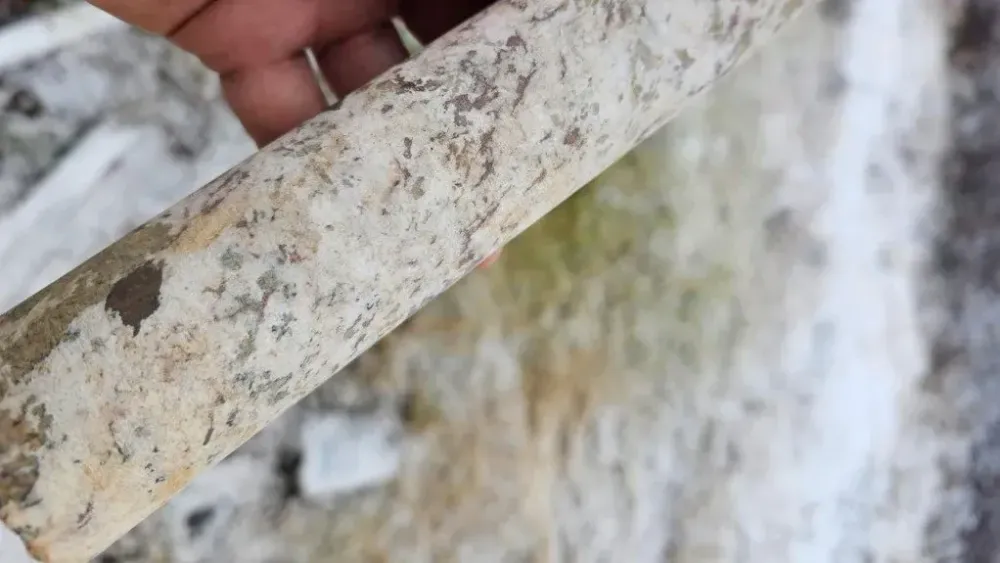
ASX-listed Eclipse Metals has reported "highly encouraging" results from quantitative automated mineralogical analysis completed by ALS Metallurgy on four composite samples from the Ivigtût project, in Greenland.
The study represents an important step in defining a potential beneficiation pathway for the project’s rare earth mineralisation.
Eclipse says the results indicate that the value-driving neodymium (Nd) and praseodymium (Pr) are predominantly hosted in identified rare earth element-bearing mineral groups rather than being diffusely distributed through the surrounding gangue.
The work has identified the principal processing objective—selective rejection of carbonate gangue—and provides a clear basis for targeted rougher, cleaner regrind and reagent-optimisation testwork.
The reported percentages describe mineralogical deportment and surface exposure; they are not flotation recoveries or concentrate grades.
"The results are encouraging because they indicate that the value-driving NdPr is hosted in identified rare earth-bearing mineral groups with meaningful surface exposure, rather than being widely dispersed through the gangue. With between 87.5% and 94.3% of NdPr hosted in identified rare earth-bearing mineral groups across four composites, we now have a sound mineralogical basis for the next phase of metallurgical development.
"Our focus will be to convert this mineralogical opportunity into measured flotation recovery and concentrate grade," explains Eclipse executive chairperson Carl Popal.