Big iron-ore miners deplete reserves faster than they replace
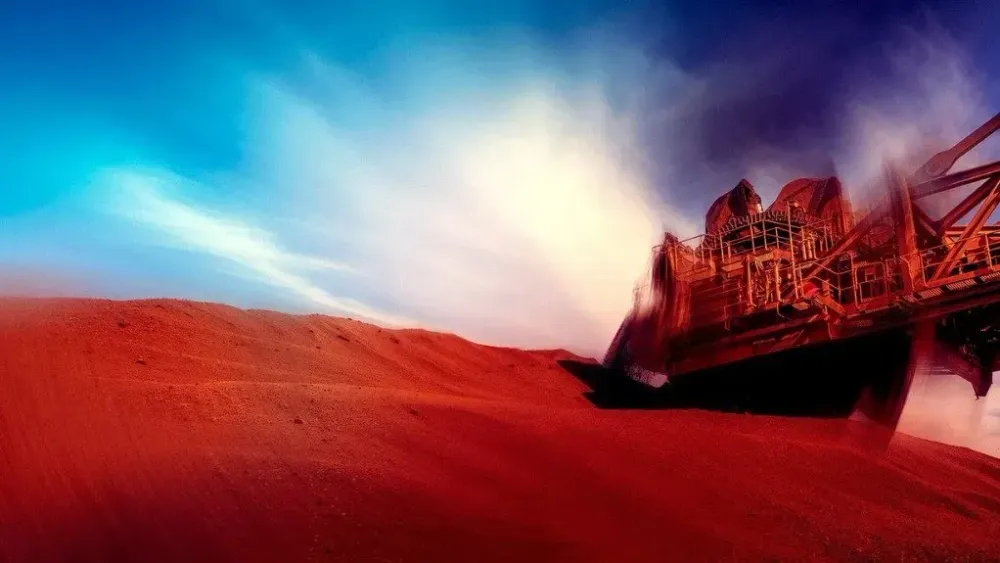
The world’s biggest iron-ore producers are depleting ore reserves faster than they can replenish them, as the cost and complexity of developing replacements continues to rise, according to Wood Mackenzie.
The six largest iron-ore producers, which includes BHP Group and Rio Tinto Group, collectively depleted 11.1-billion tons of ore reserves that could be sold between 2016 and 2025, the consultancy said in a report released Thursday.
Only three replaced the volume they mined over the period, and some spent five times more than others to add new reserves, it found.
The industry is increasingly facing an issue with grade depletion, which occurs when the average iron ore content in a mine drops as it ages and requires operators to dig deeper and invest more to extract. Miners are now reaching a point where it’s no longer about growth, but keeping operations running.
“The main challenge for the current iron-ore industry is rising costs to maintain existing production,” said Mihir Vora, Wood Mackenzie’s research director for metals and mining. “The industry is investing to sustain production, but it is having to work harder to stand still.”
Costs for major miners have roughly doubled for some companies since 2016, Wood Mackenzie said. Cash margins across the industry peaked in 2021 and have since settled at around $50-$60 a ton, shrinking the margin to absorb rising costs and falling prices.
The analysis also found ore grades had fallen by as much as 1.6 percentage points among some miners since 2016. Higher-grade material is increasingly required to offset the depletion of lower-grade ore, while impurity levels, including alumina, are rising in some products.