China’s Jinchuan says $145m missing in Congo mine probe
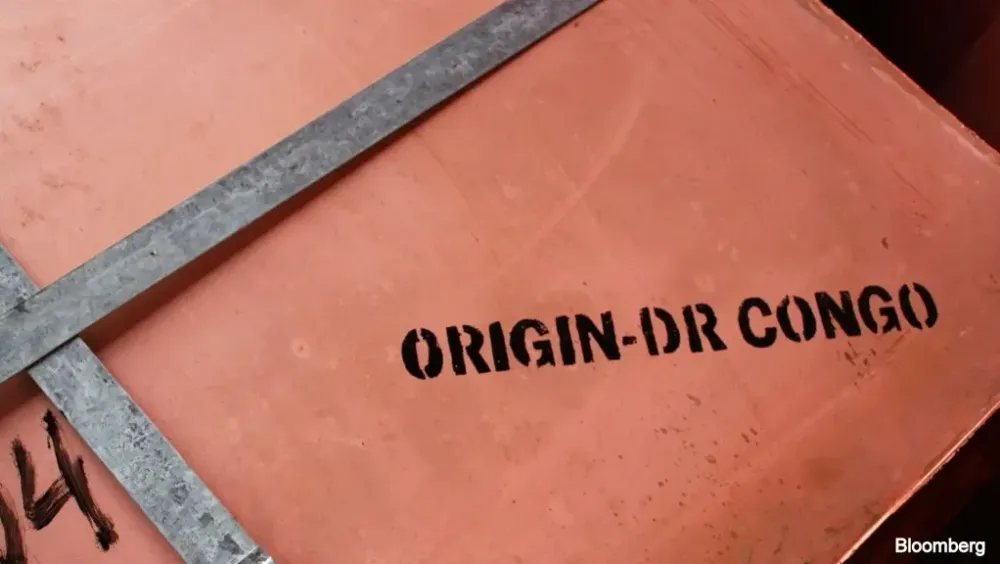
Jinchuan Group International Resources Co said an independent probe found that nearly $145-million was siphoned from its copper and cobalt operations in the Democratic Republic of Congo through fake procurement deals, cash payments and fabricated invoices.
The investigation centered on Ruashi Mine, where investigators said former local employees exploited weak internal controls over several years to route funds through suppliers and intermediaries with “no apparent business purpose,” Jinchuan said in an exchange filing late Friday.
Jinchuan, the Hong Kong-listed mining unit of one of China’s biggest state-owned metals conglomerates, said the alleged fraud was largely carried out between 2019 and 2024, a period when rising copper and cobalt prices pushed the mine to scramble for ore supplies in a bid to ramp up output.
After reviewing transactions over the period, investigators found $137.4-million in payments to 12 suppliers, and $7.1-million paid to a former employee’s personal bank account, that related to “an alleged misappropriation scheme,” the filing said.
The probe also found $66.8-million in spending related to “government-related affairs” in Congo, including cash payments made through a third-party intermediary retained to negotiate tax claims and penalties with local authorities, according to the filing.
The company said investigators found no evidence that employees instructed the intermediary to make illegal payments to government officials.
Jinchuan also said no evidence was found indicating that senior management at the Hong Kong-listed company had direct knowledge of, or involvement in, the misconduct. The company’s special investigation committee said the fraud “was directly attributed to misconduct of various employees of Ruashi Mine,” who took advantage of weak internal controls and oversight at the Congo unit.
Jinchuan International’s shares have been suspended since March 2025 after a delay reporting its financial results. The company said the suspect payments had previously been booked as operating and mining expenses and would now be reclassified as “other losses,” adding that the accounting change would not materially affect historical profit and loss figures.
Jinchuan said it had reported the matter to prosecutors in Congo, dismissed or suspended implicated employees and halted business dealings with several suppliers related to the investigation. It is also overhauling procurement and payment controls as it works toward resuming trading in its Hong Kong shares.
ON THE WIRE
As the global gas market grapples with the Strait of Hormuz being all-but closed for nearly three months, traders are fixated on two wildcards: China and the weather.
Large Chinese solar makers are on track for profit recovery in the second half as the Iran war fuels global renewables demand, lifting exports and ensuring a floor for prices, according to Bloomberg Intelligence.
China’s industrial profits probably maintained rapid growth in April, boosted by rising factory-gate prices and strong AI-led demand.
China’s worst mining disaster in decades feels like an echo of a past it has long sought to forget. The blast, which has killed at least 82 people at a pit in Liushenyu in the Shanxi coal belt, is the worst since 2009.
Guinea, the world’s biggest bauxite producer, plans to announce reforms next month to control exports of the ore used in making aluminium as it bids to bolster prices.