
Canada giving $1.1bn to firms hit by US metal tariff rules
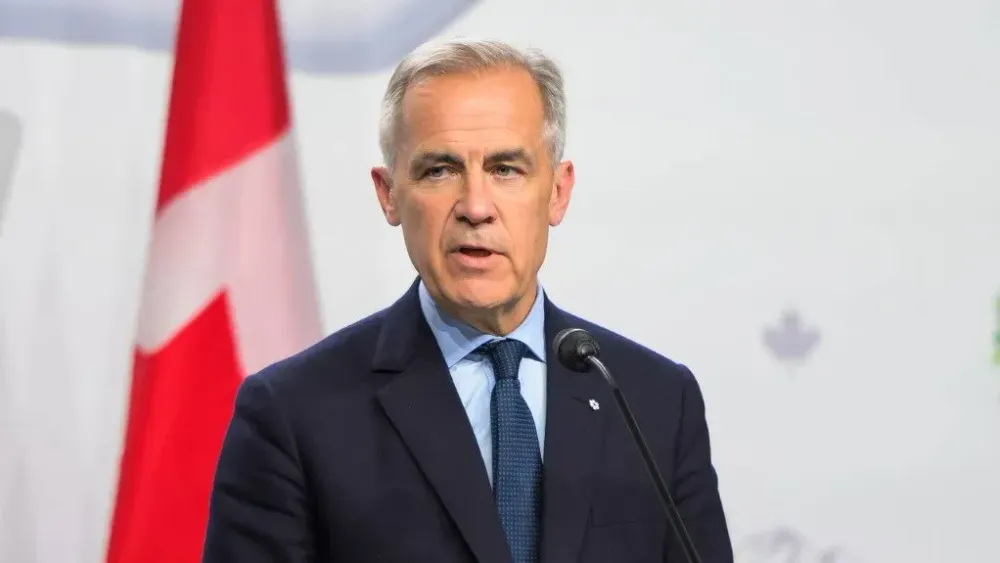
Prime Minister Mark Carney’s government unveiled measures worth C$1.5-billion, or $1.1-billion, to help Canadian firms hurt by the Trump administration’s changes to US tariffs on imports containing steel, aluminium and copper.
The change in early April put a 25% surcharge on the total value of products that contain these metals. Previously, the US applied a 50% tariff only to the actual metal content inside the products, but importers complained that regime was too complicated in practice.
The change has been devastating to some Canadian businesses. Last month BRP, which makes recreational vehicles such as Sea-Doo watercraft and Ski-Doo snowmobiles, withdrew its financial outlook for the 2027 financial year owing to the tariff shift, which it expected would add C$500-million in costs.
The Canadian support programme, announced Monday by Industry Minister Melanie Joly, creates a C$1-billion programme administered by the Business Development Bank of Canada to provide financing “at favorable terms” to help firms impacted by the tariff changes.
“This new program aligns with the government’s priority to provide rapid liquidity to viable businesses facing significant economic challenges as a result of US steel, aluminum and copper tariffs,” Joly’s office said in a news release.
“The government expects Canada’s financial institutions to continue to work with the businesses as we lean in collectively to support this sector.”
The government is also adding C$500-million to an existing programme called the Regional Tariff Response Initiative, which provides grants for smaller-sized manufacturing firms to help diversify their products and install new technology.
The US and Canadian governments have not yet started formal talks on reviewing the United States-Canada-Mexico Agreement, which governs trade in North America. But Carney has said he’s optimistic about making progress on sectoral tariffs — such as the levies on metals — as part of broader trade discussions with the Trump administration.
“We’re looking to negotiate something mutually agreeable, and there will be adjustments there,” Carney said in April.