
Gold catches a bid as BoE leaves interest rates unchanged
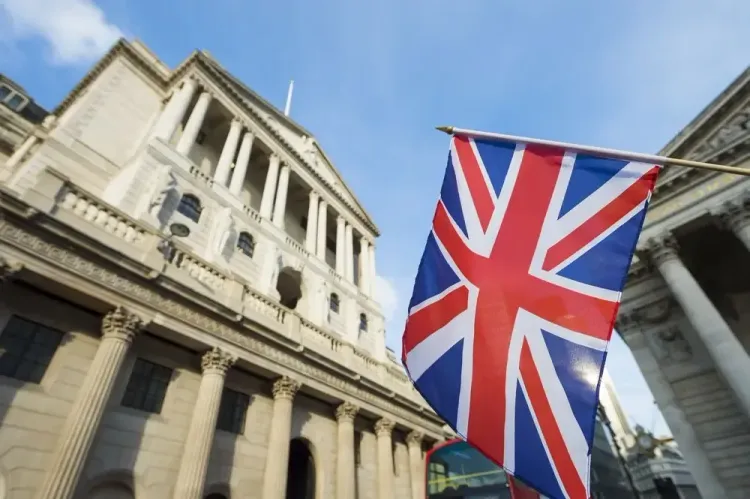
The gold market is trading just off its session highs after the Bank of England decided to leave interest rates unchanged following its September monetary policy meeting.
In a much-anticipated move, the BoE said Thursday that it would maintain the Bank Rate at 3.75%. Even the vote breakdown fell in line with expectations, as three committee members voted for a 25-basis-point hike.
The central bank acknowledged persistent inflation pressures. The committee also noted that much of the increase is due to the war in Iran, which has created a significant global energy crisis.
“UK CPI inflation increased to 3.1% in August and is likely to rise further over coming quarters. Monetary policy is being set to ensure inflation comes down to 2% sustainably as the economy adjusts to the energy shock. The policy stance required to achieve this will depend on the scale and duration of the shock and how it propagates through the economy,” the central bank said in its monetary policy statement.
The gold market saw a modest boost in its initial reaction to the BoE’s latest monetary policy decision and is slightly leading the broader market recovery. Spot gold last traded at £3,237.07 an ounce, up 1.58% on the day against the British pound.
The global gold market is seeing a healthy recovery from Wednesday’s selloff after the Federal Reserve raised interest rates by 25 basis points and signaled that it sees one more rate hike by year-end.
Spot gold last traded at $4,325.60 an ounce, up 1.48% on the day.
In comments to Kitco News, Artem Bakushev, Head of Risk at Monaxa, said the pound is caught in a stalemate between MPC members who want to keep fighting sticky inflation and those eyeing a labour market that is clearly cooling.
“What's notable is the sheer unanimity of holding steady — a 3-0-6 split with zero change suggests the committee isn't yet under enough pressure from either inflation or growth data to force a genuine split decision, and that kind of committee-wide patience tells its own story about where UK rates are headed over the coming months,” he said. “For now, the pound and gilts are treading water, but the real test comes at the next meeting when incoming data — wages, CPI, growth — will finally force the Bank's hand one way or the other.”