Land swap unlocks next phase of Rio Tinto and BHP's Resolution Copper project
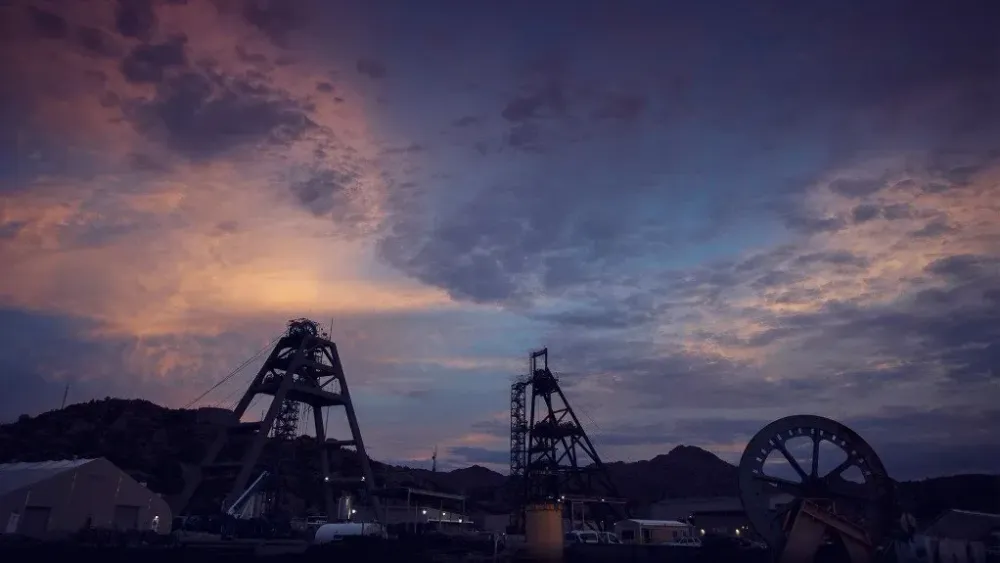
Mining majors Rio Tinto and BHP have secured key land needed to advance the Resolution Copper project in Arizona, following the completion of a long-contested federal land exchange.
The exchange was finalised after the US Court of Appeals for the Ninth Circuit ruled on March 13 in favour of the project developers and the federal government, denying requests by opponents to halt the transfer.
The decision enabled the US Forest Service to complete the land swap, transferring about 930 ha of federal land above the orebody near the historic Magma copper mine to the project partners.
In exchange, Resolution Copper, a joint venture owned by Rio Tinto (55%, operator) and BHP (45%), transferred more than 2 185 ha of environmentally sensitive and culturally significant land to be protected within national conservation areas.
The move unlocks the next stage of technical work at what is considered one of the largest undeveloped copper deposits in the US, located about 100 km east of Phoenix near the town of Superior, Arizona.
Rio Tinto copper CEO Katie Jackson hailed the completion of the land exchange as a milestone for the project.
“Completing the land exchange is a significant milestone and another positive step forward for the Resolution Copper project, which has the potential to satisfy up to 25% of America's copper demand for decades to come,” she said.
Jackson added that the project could contribute about $1-billion a year to Arizona’s economy and create thousands of jobs.
Brandon Craig, president Americas at BHP, said the land transfer would allow the partners to advance development work aimed at securing domestic copper supply for the US economy.
“Completing this land exchange unlocks a major domestic source of copper, essential for defense, grid modernization, and next-generation energy, and positions the nation to secure its future by expanding mineral production and unleashing America’s full resource potential. This responsible mining project fulfills President Trump’s vision of American mineral independence," commented US Secretary of Agriculture Brooke Rollins in a statement announcing the land exchange.
The partners plan to spend about $500-million over the next two years on enabling work, including surface drilling, infrastructure upgrades and initial underground development activities. The programme is expected to create about 100 additional jobs during the early phase.
However, the project remains controversial. The deposit lies beneath Oak Flat, an area considered sacred by the San Carlos Apache Tribe and other Native American groups, who have long opposed the mine.
Tribal groups argue that the planned underground mine would ultimately cause the collapse of the surface area used for religious ceremonies and cultural practices.
Despite the ruling and the completed land exchange, project development will still require further technical studies, community engagement and permitting before construction can proceed.