Sherritt warns of looming cute operational, financial and legal difficulties in Cuba
Canadian mining company Sherritt International Corporation, which is among Cuba’s largest foreign investors, is seeking to take the necessary and most appropriate actions to definitively address the practical effect of the US administration’s May 1 executive order expanding sanctions against Cuba.
The company raised its concerns about the matter earlier in May but has since consulting with advisers, stakeholders and relevant government authorities decided to no longer proceed with the dissolution and disclaimer steps relating to its interests in Cuba – including the dissolution of the joint venture (JV) it has with General Nickel Company of Cuba.
Sherritt is maintaining its suspension of direct participation in JV activities in Cuba and will continue to work with stakeholders and advisers to implement appropriate steps to address the US executive order as soon as practicable, including through ongoing positive engagement with relevant governmental authorities.
Sherritt has also been presented on a preliminary basis with a potential value preserving opportunity that the company is working closely with its advisers to evaluate. There can be no assurance however that any such steps or transaction will be achieved or achieved in a timely manner. In addition, the timing, structure and terms of any such steps or transaction are complex and not yet final.
While the company continues to actively consider and engage with stakeholders to address the executive order, unless and until these matters are resolved, Sherritt faces a number of acute operational, financial and legal difficulties including the ability to comply with its debt covenants.
BACKGROUND
The US executive order targets almost any non-US citizen or entity that conducts business on the communist-run island, which has been subject to broad economic sanctions since the 1960s. The new measures will focus on key sectors including defence, mining, finance and security.
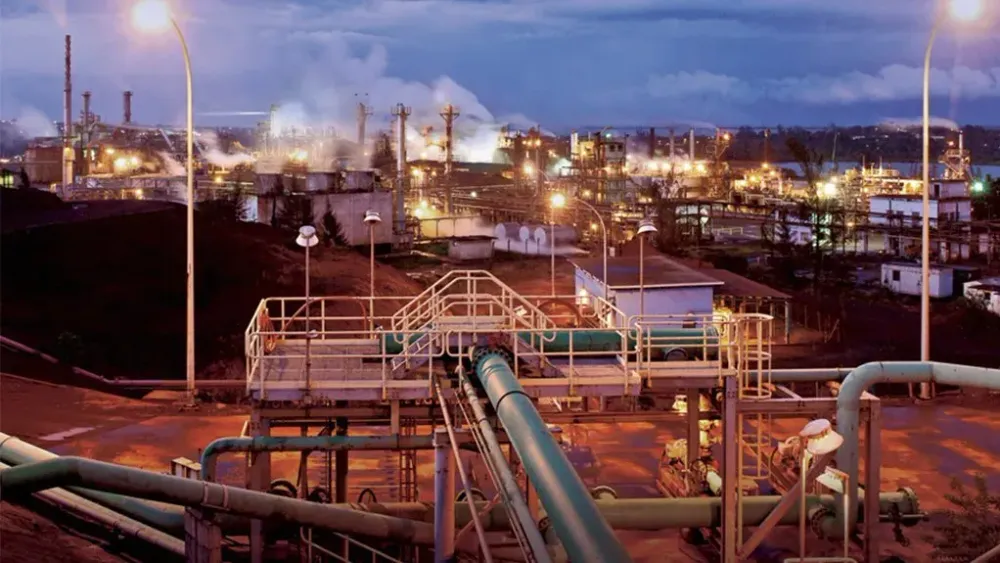
Sherritt mines cobalt and nickel in eastern Cuba, processing the metal at its refinery in Alberta. In February, after US President Donald Trump imposed a de facto fuel blockade on the island, the company announced a temporary halt to its Cuban operations, Bloomberg reported.
Trump seized the leader of Venezuela, Cuba’s main ally, in early January and then blocked all but one Russian tanker from delivering oil to the island, which exacerbated chronic power outages and lead to a dearth of gasoline, diesel and jet fuel. Bloomberg said Trump was that hoping intense economic pressure will topple Cuba’s government after 67 years of one-party rule.