Top cobalt producer Congo will ban exports again as prices slide
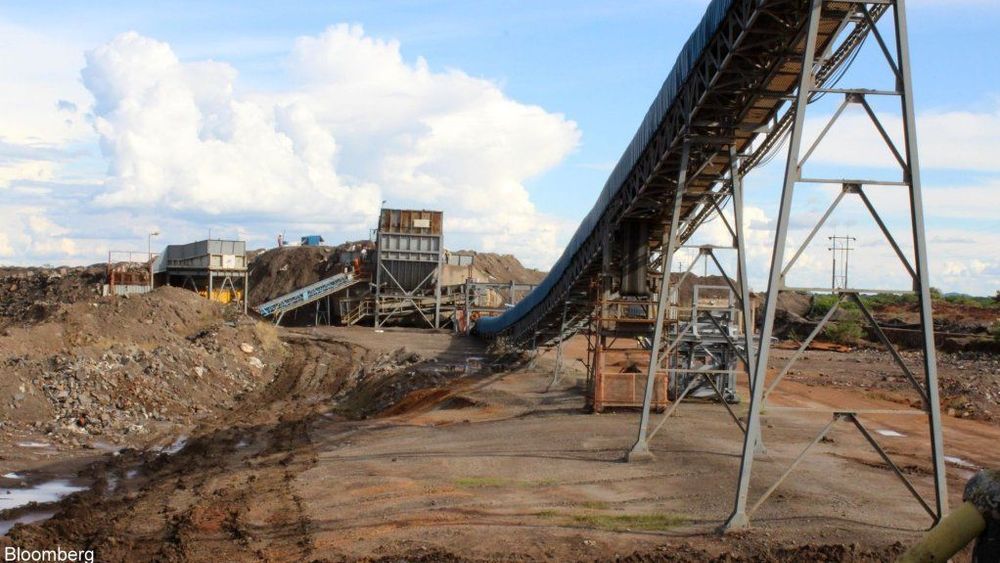
Top cobalt producer Democratic Republic of Congo will reintroduce a ban on exports of the battery metal from the end of the month, in an effort to reverse slumping prices.
Congo will suspend all exports of the metal from Nov. 30 until further notice, a government regulatory agency known by its French acronym ARECOMS said in a statement on Monday. The decision is intended “to address the oversupply in the international market and to promote a sustainable rebalancing of the market,” it said.
Once in force, it will mark the second time that Congo has suspended cobalt exports to prop up prices. The first full ban — introduced in February 2025 — was replaced eight months later by strict quotas, which are still in place.
While prices spiked in the aftermath of the interventions, they have fallen sharply in recent months as concerns about global demand and recycled supplies weighed on the market. Cobalt hydroxide – the main product shipped from Congo – initially more than quadrupled, before almost halving from an April peak, according to Fastmarkets data.
ARECOMS said it reached its decision after considering the “significant and sustained decline in cobalt prices” since June, in an environment “characterized by a slowdown in global cobalt consumption, an increase in cobalt inventories and speculative practices in the market.”
Cobalt is extracted in Congo as a byproduct of copper mining. CMOC Group, Glencore and Eurasian Resources Group currently hold the largest export quotas, which already limited shipments of the metal to less than half of the central African nation’s output in 2024.
Congo supplied about three-quarters of the world’s mined cobalt before the restrictions were imposed. A new ban could benefit No. 2 producer Indonesia, which makes an intermediate product containing cobalt at plants that process the southeast Asian country’s nickel ores.
Most cobalt is used in rechargeable batteries, both in electric vehicles and consumer electronics. Demand from the latter is particularly weak at the moment, according to analysts.
ARECOMS approved the temporary halt of exports at a meeting held on Nov. 9, according to the statement, which was signed by the regulator’s president, Patrick Luabeya.
The agency said it plans to review the ban in four months to take into account “developments in the cobalt market in general, the level of available cobalt inventories and the balance between global supply and demand.”
ARECOMS will also use the suspension to “review and adjust the quota allocation mechanism,” it said.