Two Chinese copper smelters blend concentrate overseas to boost supply, sources say
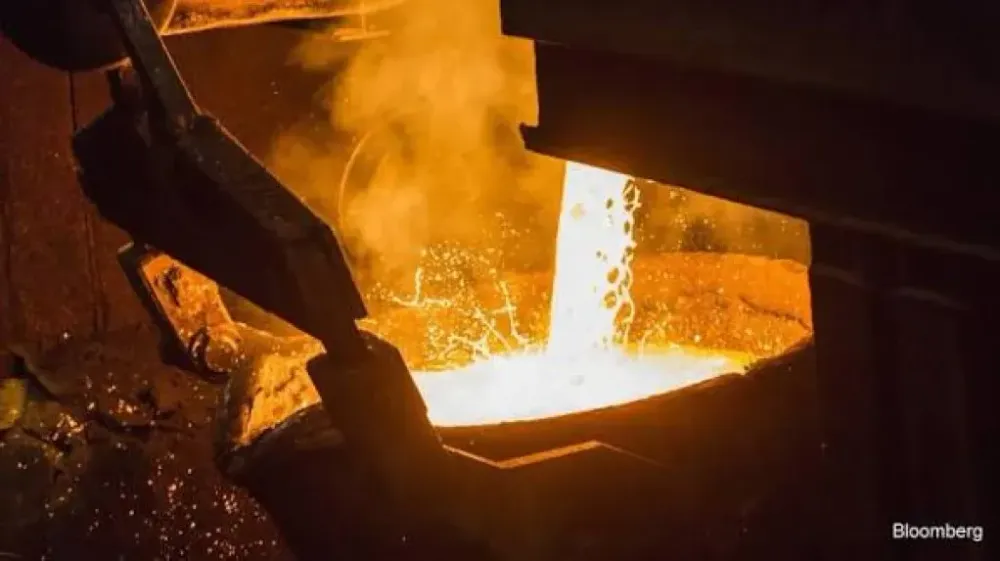
Two large Chinese smelters have begun blending copper concentrate at a Malaysian port in a bid to boost supply amid a worsening feedstock shortage, four people with knowledge of the matter told Reuters.
China is by far the world's largest copper ore processor. But its rules strictly limit the allowable levels of toxins such as arsenic, meaning that only about one-fifth of concentrate produced outside the country meets import standards.
Blending higher-standard concentrate grades with those containing more toxins can allow more concentrate volumes to meet Chinese regulations. China, however, limits the number of different concentrates that can be blended domestically.
So, in order to broaden the availability of supply that can be processed in China, integrated producer China Minmetals Nonferrous Metals and smelter China Copper have been blending complex copper concentrate containing high impurities in Port Klang, Malaysia, the people said.
China Copper has engaged in overseas blending for around a year, while China Minmetals started doing so on a trial basis in the third quarter of this year, two of the people said.
It was not immediately clear how much copper concentrate the two smelters have blended in the Malaysian port.
China Minmetals and China Copper did not immediately respond to requests for comment.
The blending of complex copper concentrates has been allowed in bonded zones at domestic ports since 2020 and currently takes place at ports including Dalian, Yantai and Fangcheng.
However, blending overseas provides flexibility to mix several different types of concentrate while more stringent requirements apply for blending domestically, said one of the people.
International trading houses have long blended concentrates at ports outside China to meet its import standards. The overseas blending by the two Chinese smelters, however, has not been previously reported.
All the people requested anonymity as the information is not public.
The copper concentrate shortage worsened this year as smelting capacity expanded and disruptions reduced mined supply, driving unexpectedly high production cuts in China in the fourth quarter.
Consultancy CRU pegged the global copper concentrate deficit at 289,000 metric tons this year, versus 2 000 tons in 2025. Analysts expect mined copper supply to improve in 2027, but not enough to fill the gap.
Global copper concentrate supply is projected to grow by 4% in 2027 following a 0.4% rise this year, according to CRU.