
Meridian submits installation licence application for Cabaçal build works in Brazil
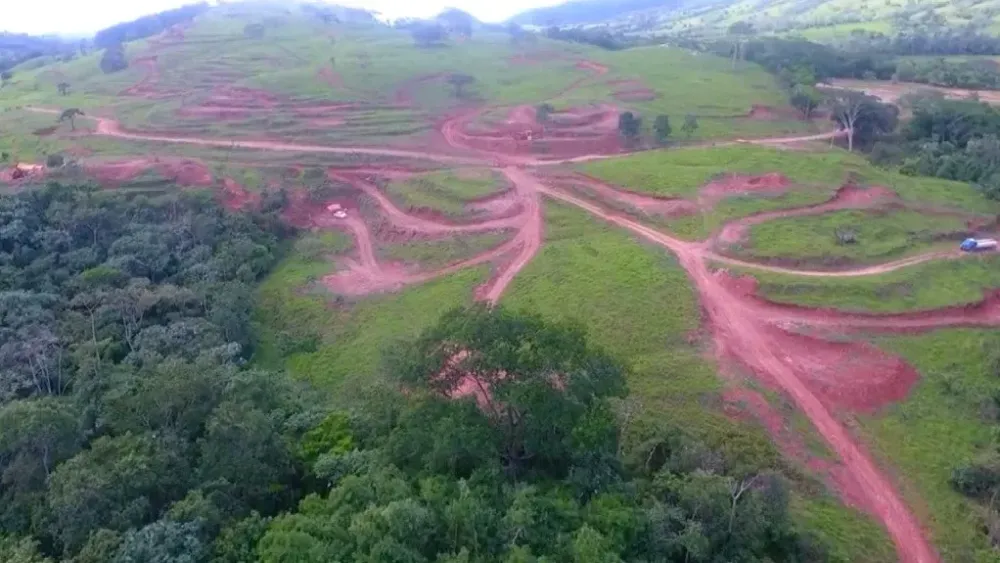
London-, Toronto- and Frankfurt-listed Meridian Mining has applied for an installation licence on the Cabaçal copper/gold/silver project in Brazil, which marks the next step in returning the historical mine to production.
The country's Mato Grosso State Environmental Secretariat needs to grant an installation licence on the project before Meridian can start with any mine site construction works.
Meridian affirms it undertook extensive preparation and consultations prior to the installation licence application submission.
Cabaçal was operated by BP Minerals and Rio Tinto from 1987 to 1991 as an underground gold mine.
To ensure the near-term schedule for Cabaçal, Meridian has already ordered certain long-lead items for construction of the project, including the main transformer for a substation.
The company has also agreed specifications and pricing for the semi-autogenous grinding mill’s design, with only a few contract terms still needing to be finalised. Additionally, the civil surveying of planned access routes, power easements and bridges forming a key element of the future construction preparation has entered the final stages of completion.
Meridian CEO Gilbert Clark says the submission for an installation licence for Cabaçal is a major step in advancing towards a near-term final investment decision. The submission represents a significant amount of engineering design work, adding to the positive engagement with the Brazilian authorities and local communities ahead of the application submission.
"The commitment to finance the future construction of a major mine is never taken lightly. However, our confidence to start placing the orders and pay deposits for long-lead time items, and shortly to start the civil works, stems from Cabaçal’s $1-billion valuation and 60% internal rate of return, as determined by its prefeasibility study, as well as an increased resource base and higher metallurgical recoveries potential that is envisioned in the upcoming definitive feasibility study (DFS) on the project," Clark concludes.
The company is approaching 50% completion of the DFS and should have it published during the fourth quarter.
The installation licence will ultimately be followed by an operation licence, which authorises the start of operations once compliance with prior licence conditions has been verified.